
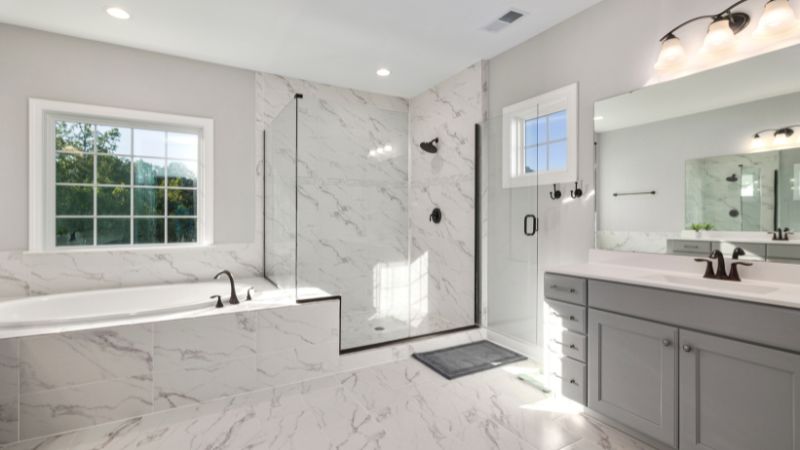
Tile color and material get all the attention, but layout is the quiet hero of a great bathroom. The way tiles run across the floor or wrap around the walls can make a poky room feel open or a big space feel warm and inviting.
Clever layouts can stretch a narrow ensuite, highlight a beautiful vanity, and even help your bathroom feel cleaner day to day. They also add personality and can boost resale value, which matters in a city like Melbourne, where buyers notice design.
This guide shares creative ideas for floors, walls, and backsplashes that work in both small units and larger family homes. With smart planning and expert Tile installation from a local pro such as Master Tiling Waterproofing in Melbourne, you can avoid costly mistakes and enjoy a bathroom that works as well as it looks.
How to Choose a Bathroom Tile Layout That Fits Your Space
Before falling in love with a layout on Instagram, it pays to check that it suits your room. Think about size, shape, light, and how much time you want to spend cleaning.
A layout that looks amazing in a huge hotel bathroom might feel busy or cramped in a compact family home.
Match the tile layout to the bathroom size and shape.
Layouts can trick the eye in powerful ways.
In a long, narrow bathroom, running rectangular floor tiles lengthwise helps the room feel stretched and streamlined. If you run them across the short side instead, the room can feel a bit squatter and wider.
Diagonal layouts work well in simple square rooms. Laying tiles on a 45-degree angle breaks up straight lines and makes corners less obvious, which helps the space feel larger and more relaxed.
Smaller tiles shine in tight spots. Mosaics, or small squares, curve neatly into shower niches, around steps, and across fall-to-drain areas, where big tiles would need a lot of cuts.
In many homes and units, mixing plank-style tiles with small mosaics gives both a clean look and practical coverage in tricky corners.
Balance style, safety, and cleaning.
Bathrooms are wet, so floor layouts must handle splashes and soapy feet.
A tile with grip and a layout that uses more grout lines usually feels less slippery. Smaller tiles on the floor, such as mosaics in the shower base, add both texture and safety underfoot.
Grout size also changes the look. Narrow grout lines create a sleek, modern feel but can highlight any crooked rows. Wider grout lines are a bit more forgiving but can collect more dirt if the color is very light.
Pattern matters for cleaning too. Very busy layouts can hide marks, which is handy in a family bathroom. Simple, plain layouts show dirt faster but make it easy to spot areas that need a quick wipe.
Walls are where you can play more with bold layouts, since they do not deal with bare, wet feet. A good bathroom tiling Melbourne specialist can help match your layout to how you actually use the space, not just how it looks in a photo.
Creative Floor Tile Layouts that Make Bathrooms Feel Bigger and Brighter
The floor is the base of the whole room. Change the pattern, and you often change how the bathroom feels, even if every tile is the same color.
Here are some floor layouts that work well in real homes.
Classic subway, brick bond, and offset patterns underfoot
Brick bond or offset patterns use simple rectangles, but the result feels soft and relaxed.
On the floor, this layout hides small cuts and minor size differences between tiles. Your eye drifts gently along the pattern rather than catching every grout line.
Run the pattern across the narrow width of the room if you want it to feel wider. Run it from the door towards the back wall to make the room feel longer.
You can also angle the pattern slightly across the space for a more casual look. It is an easy way to upgrade from a plain grid without blowing the budget or taking extra time to clean.
Herringbone and chevron floors for a designer bathroom look
Herringbone and chevron look similar at first glance but have a key difference.
Herringbone uses rectangles set in a broken zigzag, like a row of arrows. Chevron uses pieces cut on angles so they meet in sharp points. Both layouts add movement and a high-end feel to the floor.
They work brilliantly in narrow bathrooms or down a central walkway from the door to the shower. The pattern pulls your eye along the room, which makes the space feel longer.
These layouts need careful planning and precise cuts. A skilled Bathroom Tile Installation Melbourne team will set out the pattern so the points line up, cuts are balanced on each side, and waste is kept low.
Large-format tiles, diagonal layouts, and grout tricks to open up the room
Large-format tiles can transform a small bathroom. With fewer grout lines, the floor looks calmer and less chopped up, which instantly feels more spacious.
Choose a grout color close to the tile shade for an almost seamless effect. Your eye reads the floor as one wide surface instead of a grid.
Laying large tiles on a 45-degree angle can also help square rooms feel wider. The diagonal cuts push your attention to the corners and away from the short walls.
This combo works well in many compact units, where every bit of “borrowed” space counts. Just remember that larger tiles need a well-prepped, level base, so good installation is key.
Eye-Catching Wall and Backsplash Tile Layouts for Show-Stopping Bathrooms
Walls and backsplashes are your best spots for drama. You can keep the floor simple and safe, then let the walls carry the style.
You do not need the most expensive tiles. A smart layout with mid-range tiles often looks more custom than a plain grid with pricey ones.
Vertical subway stacks and half-height feature walls
Subway tiles do not have to sit in a classic brick pattern.
Stacking them straight on top of each other in neat columns feels modern and clean. Flip them vertically and you draw the eye upward, which makes ceilings feel higher, especially in older homes with modest ceiling heights.
Half-height walls are another flexible option. Tile up to about 1.2 meters, run a clean horizontal line around the room, then paint above. This frames mirrors and windows and lets you change paint colors later without touching the tiles.
Using the same layout on all half-height walls ties the room together, even if you change colors or fittings over time.
Feature strips, niches, and patterned backsplashes
You can keep most of the bathroom simple and use bold layouts only in key spots.
Good places for impact are:
- The wall behind the vanity
- The back of a shower niche
- A vertical strip from floor to ceiling beside the shower or bath
Herringbone, mosaic sheets, or a strong contrast color in these areas create a focal point without needing many extra tiles.
For example, pair plain white or soft stone-look tiles on most walls, then run a slim strip of patterned mosaics through the shower niche and down the wall. The layout does the talking, not the price tag.
Mixing tile sizes and directions without making the bathroom feel busy
It is easy to go overboard when you love tiles. A few simple rules keep things calm.
Try these guidelines:
- Limit yourself to two or three different layouts.
- Repeat at least one layout in more than one spot
- Keep at least one large surface, such as the floor, simple.
A classic combo is large, plain floor tiles, vertically stacked wall tiles, and a small herringbone splashback that repeats the floor color.
Before any tiler starts work, sketch your ideas on paper or use painter’s tape on the walls to mark feature areas. Seeing the shapes at full size helps you spot awkward joins or lines that do not quite work.
Tile layout can change a bathroom just as much as color or material. The right pattern makes small rooms feel bigger, brightens dark corners, and adds personality without needing premium tiles.
Think about room size, light, safety, and cleaning before you lock in a layout. Decide where you want calm surfaces and where you want a standout feature, then keep the rest simple.
Once you have a plan you love, bring in a trusted local installer such as Master Tiling Waterproofing in Melbourne to turn that sketch into a real bathroom. You do not need a huge budget to get a creative result; you only need smart choices and a layout that suits the way you live.
